
AI search optimisation for ecommerce brands
I help ecommerce brands get recommended when shoppers ask ChatGPT, Perplexity, Gemini and Google’s AI Overviews what to buy. It also goes by GEO, AEO and LLM SEO.
It builds on 15 years of ecommerce SEO. Most of what gets a brand recommended by an AI tool is the same work that gets it ranked: complete product data, pages that answer real questions, reviews and coverage on sites people trust. Some of it is new, and it changes month to month.
It’s part of every retainer I run, and available on its own. Retainers start from £2,000 a month, with no minimum term.

Freddie Chatt
Ecommerce SEO consultant
Brands I've worked with










Trusted by SEOs from Gymshark, LEGO and IKEA
How AI search changes ecommerce
Ask ChatGPT for the best sofa for a small flat and you get a shortlist of five products, with prices, ratings and reviews. Plenty of shoppers stop there. If your products aren’t on that shortlist, you’re out of the running before they ever see a search results page.
The shortlist isn’t random. Across the six industries I tested in November 2026, the products and brands that got named had the same things in common: complete product data, lots of reviews, specific facts on their pages and coverage in the roundups the AI tool cited.
That’s good news for brands already doing ecommerce SEO properly. Most of the foundations are shared. The new parts are measuring what AI tools say about you, getting your catalogue into their shopping data and earning mentions on the sites they trust.
What I look at
- The prompts your customers ask
- Who gets recommended and which sites get cited
- Your product feeds and structured data
- Whether AI crawlers can read your site
- Reviews, roundups and brand mentions
- Pages that answer buying questions directly
What ChatGPT recommended in six industries
One prompt per industry, run on 23 November 2026 with web search on. Each industry page has the full breakdown.
| Industry | Prompt | Who it named | Sites it cited |
|---|---|---|---|
| Furniture | Best sofa for a small flat (UK) | Habitat, John Lewis, IKEA | House & Garden, Good Housekeeping, UK Furniture Guide |
| Health | Best magnesium for sleep (UK) | Solgar, Nutrition Geeks, Viridian | A clinical review, Which?, UCLH, Bolt Pharmacy |
| Fashion | Best sustainable jeans brands (UK) | Nudie, Hiut, MUD, Kuyichi, Lucy & Yak and three more | Ethical Consumer, zerowasted.co.uk, Curiously Conscious |
| Jewellery | Best gold vermeil necklaces (US) | Mejuri, Monica Vinader, Missoma, Quince, Aurate | Ét Maison, The Golden Settle |
| Beauty | Best vitamin C serum for dull skin (UK) | CeraVe, L'Oréal, Medik8, The Ordinary | The Guardian, Cosmopolitan, Glamour, Which? |
| Drinks | Best alcohol-free gin (UK) | Tanqueray, Warner's, CleanCo, Pentire, Seedlip | BBC Good Food, The Independent, TasteSCOT |
In every case, the answer leaned on shopping data, review counts and a small set of editorial sources. Those are the levers.
What AI search optimisation includes
It runs alongside your SEO, using the same team and the same reporting.
AI visibility tracking
A set of real customer prompts tracked across ChatGPT, Perplexity, Gemini and AI Overviews, run more than once each month.
Product feeds and data
Complete, accurate feeds for Google Merchant Center and AI shopping, with the details shoppers ask about.
Access for AI crawlers
Checking robots.txt, rendering and page speed so AI tools can read your site.
Content built for answers
Product, category and guide pages that state the facts AI tools quote: sizes, materials, ingredients, prices.
Digital PR and roundups
Getting featured in the reviews, rankings and roundups that AI tools cite in your category.
Reviews and reputation
More reviews, in the places AI tools read them, and a consistent story across your site and stockists.
AI search optimisation by industry
Each page has its own ChatGPT test, what it cited and what that means for brands in the category.
Read more
Read more
Read more
How I measure AI visibility
I track a set of prompts your customers would actually ask, across ChatGPT, Perplexity, Gemini and Google’s AI Overviews. Each prompt runs more than once, because answers vary from one run to the next.
Every month you see which brands get named, which sites get cited, whether you appear and who gets the link. Then we work on the gaps: product data, page content, reviews and coverage on the sites the tools rely on.
If you’d like a starting point before a retainer, my AI Search Readiness Report is a one-off review that scores how ready your store is for AI search and lists the fixes that matter most. There’s also a free 95-point AI search checklist for ecommerce stores.
Who you'd be working with
I’m Freddie Chatt. I’ve spent 15 years in ecommerce SEO, first in-house at Amara, where I went from Junior Marketer to Head of SEO, and since 2020 as a consultant.
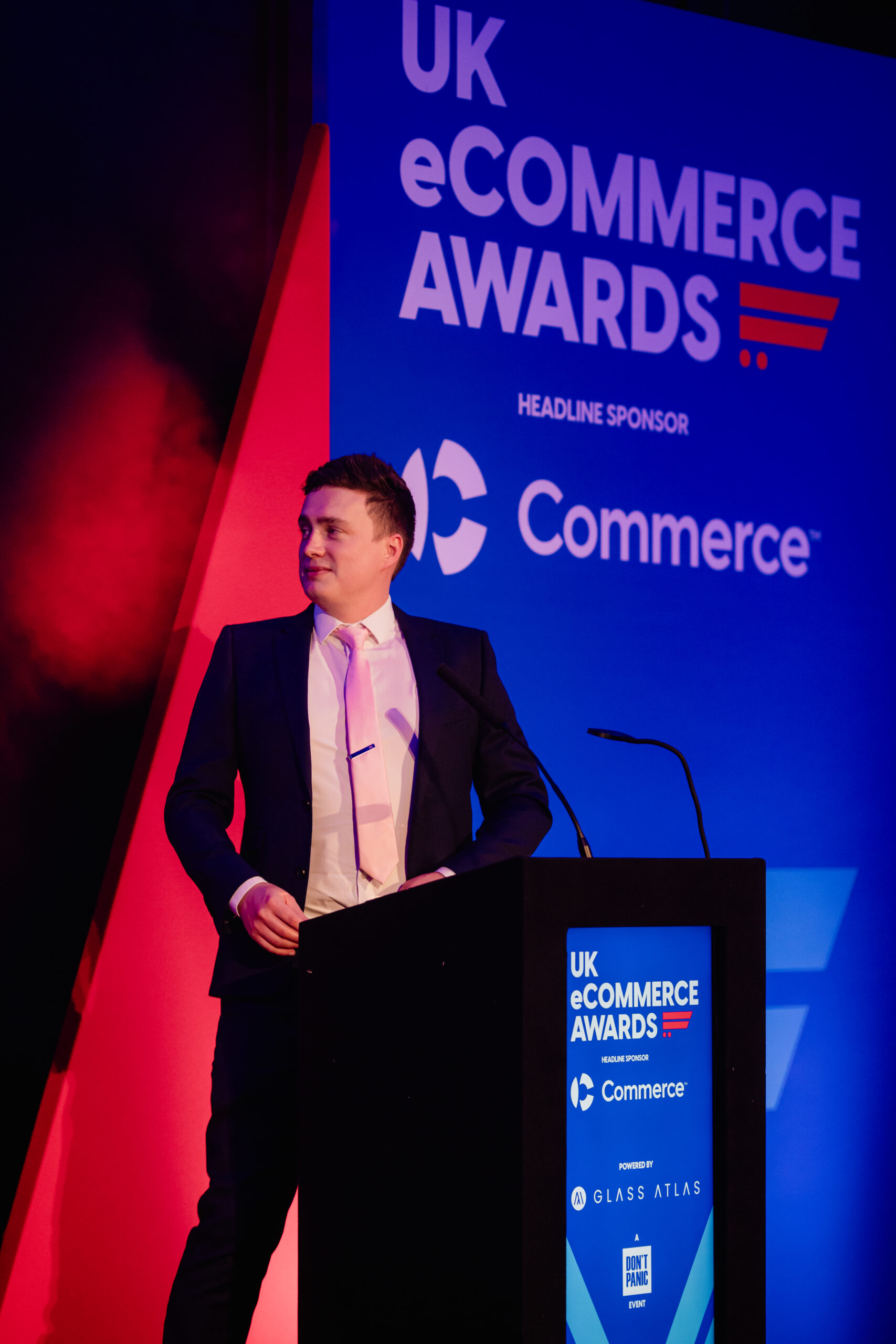
I judge the UK Ecommerce Awards and write Search to Sale, a weekly newsletter on ecommerce SEO and AI search. I also co-founded Village Cricket Co., a DTC brand where I test ideas on my own money before I recommend them to clients.
I work Monday to Thursday and keep my client list small, so you deal with me from the first call onwards.
“Freddie really knows SEO. His strategies stand the test of time.”
Adam Watson, founder of Hollywood Mirrors
What clients say
A few words from brands and teams I’ve worked with.
How working with me works
Keeping things as simple as possible.
Discovery call
We talk through your store, your numbers and what you’ve tried. If I’m not the right fit, I’ll tell you on the call.
Audit and opportunity review
The first month goes on finding where the revenue is. You get a short plan, ranked by likely revenue.
Monthly retainer
I lead the strategy and do the hands-on work, bringing in specialists I trust when the plan needs them. You always deal with me.
Reporting tied to revenue
Every month: organic revenue, rankings for the categories that matter, AI visibility, and what’s next.
There’s no minimum term. If it stops being worth it for you, you can end it.
Most changes take three to six months to show up in revenue. Some fixes, like technical issues blocking key pages, move faster.
I work Monday to Thursday, which is also why I keep my client list small.
Frequently asked questions
What is AI search optimisation?
It’s the work of getting your brand and products recommended when people ask AI tools like ChatGPT, Perplexity, Gemini or Google’s AI Overviews what to buy.
Is it the same as GEO, AEO or LLM SEO?
Yes. GEO (generative engine optimisation), AEO (answer engine optimisation), LLM SEO and ChatGPT SEO all describe the same goal. I call it AI search optimisation.
How is it different from SEO?
Most of the foundations are shared: technical health, product data, content and authority. The differences are in what you measure (mentions and citations in AI answers), the shopping data AI tools use and which third-party sites carry the most weight.
Which AI tools do you track?
ChatGPT, Perplexity, Gemini and Google’s AI Overviews and AI Mode. Which ones matter most depends on your customers and markets.
Can you guarantee my brand gets mentioned?
No. Nobody controls what these tools say, and answers vary from run to run. I fix what makes a brand easier to recommend and measure how often you appear over time.
How long does it take?
Product data and technical fixes can show up within weeks, because AI tools search the web in real time. Coverage in roundups and reviews takes longer to build.
What does it cost?
AI search optimisation is part of every SEO retainer, which start from £2,000 a month with no minimum term. I also offer it on its own. The AI Search Readiness Report is a one-off starting point.
Where should I start?
With the free 95-point AI search checklist, or the AI Search Readiness Report if you want me to review your store. Book a call and I’ll tell you which makes sense for your store.
Find out whether AI tools recommend you
Tell me about your store and the questions your customers ask. I’ll show you where you stand in AI answers today and what would change it.
Not ready to talk yet? Search to Sale is my weekly newsletter on ecommerce SEO and AI search.