
Fashion SEO case study: from $1.1M to $3.2M in SEO revenue in 12 months
A US fashion brand on Shopify was already making $1.1 million a year from SEO. Its catalogue had outgrown its site structure.
Over 2025 we added 200+ category pages, fixed the technical basics, built authority with digital PR and opened up organic shopping. SEO revenue reached $3.2 million.

Freddie Chatt
Ecommerce SEO consultant
About the project
This US fashion brand was already doing well from SEO. The channel brought in $1.1 million in revenue in 2024, and the brand had strong organic visibility for its core categories.
They knew there was more to come. Their wider marketing had built decent authority over the previous few years, but the SEO strategy hadn’t kept pace with the growth of the product catalogue.
They brought me in to run a full audit and strategy review and find where the biggest opportunities were.
By the end of 2025, SEO revenue had reached $3.2 million. Nearly three times the year before.
At a glance
- US fashion and apparel brand
- Shopify store
- 12 months, January to December 2025
- Category expansion, technical SEO, internal linking, digital PR and organic shopping
What we did
Five pieces of work, rolled out over the year. None of them were new ideas. The results came from doing each one properly and in the right order.
1. Better category pages
The brand already ranked well for its main category pages, with very little optimisation behind them. Good rankings from minimal effort told us small improvements would have an outsized impact.
We added to the existing category pages:
- Fuller descriptions at the top of the page
- Buying guide content below the product grid
- Helpful filters and navigation
- Schema markup to improve how the pages appeared in search results
These were strategic additions of useful content for shoppers and search engines, rather than rebuilds. Existing rankings moved higher, and the pages started appearing for secondary keywords we hadn’t targeted before.
2. 200+ new category pages
This was the biggest driver of growth.
The brand had a standard category setup: women’s dresses, women’s tops and so on. The catalogue could support far more depth than that, so we added new layers to the site structure.
By style
- Mini dresses, midi dresses, maxi dresses
- Bodycon, wrap, shift and more
By colour
- Red dresses, black dresses, white dresses
- Colour variations for each major category
By occasion
- Party dresses, work dresses, wedding guest dresses
- Night out, brunch, cocktail and more
Every new page was optimised from launch:
- A clear, descriptive title targeting its keyword
- Buying advice for that style, colour or occasion
- Internal links to and from related categories
We rolled them out steadily through the year, starting with the categories that had the most search demand and the least competition. Many reached the top 10 within weeks.
This is the approach I take with most fashion brands. The demand sits in the long tail of styles, colours and occasions, and most stores only have pages for the broad categories.
3. Shopify technical fixes
Even well-established Shopify stores tend to have the same recurring technical issues, and this one was no exception. We fixed them early:
- Cleaned up collection page URL parameters so internal links were consistent
- Fixed duplicate product pages created by multiple collection paths
- Removed discontinued products and categories from the sitemap
- Improved crawl efficiency by removing unnecessary URL parameters
None of this was groundbreaking. It removed friction, so Google could crawl and understand the bigger site structure we were building. More on this on my Shopify SEO page.
4. Dynamic internal linking
With 200+ new category pages, internal linking became critical, and manual linking wasn’t going to scale. We mapped out a system that automatically connected:
- Category pages to related categories by style, colour and occasion
- Product pages to every relevant category variation
- Blog content to the most relevant commercial pages
This meant the authority we built through digital PR flowed through the site to the new category pages.
5. Digital PR for fashion authority
Halfway through the year we added digital PR. Fashion is competitive, and competing for the biggest terms needs links from major publications. We ran two types of campaign.
Reactive PR
Working with news cycles and trending topics to earn features and links from fashion and lifestyle publications.
Product-targeted features
Pitching specific products for gift guides, trend pieces and seasonal roundups.
The result was coverage and links from major fashion publications. Those links pointed at product pages, and the internal linking passed that authority on to the new category pages.
Organic shopping optimisation
Towards the end of the year we put more into Google’s organic shopping results. Most brands are missing this opportunity.
We improved the product feed:
- Better product titles and descriptions
- Higher quality, more consistent images
- Detailed product attributes
- Review schema on product pages
We also connected store ratings in Google Merchant Center. The organic shopping grids started driving significant extra revenue, on top of traditional organic search clicks.
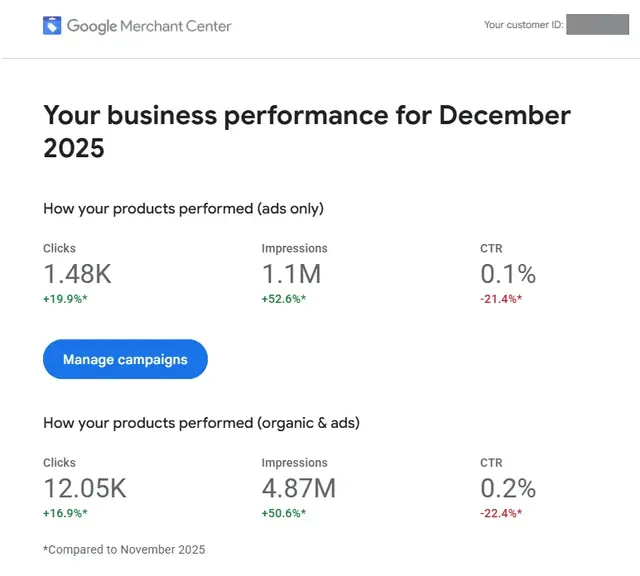
Google Merchant Center, December 2025: product clicks and impressions across organic and ads, compared with November.
The results
In 12 months, SEO revenue went from $1.1 million to $3.2 million.
That is 185% growth, and an extra $2.1 million in revenue from the channel.
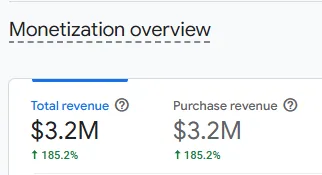
GA4: organic search revenue for 2025.
The category expansion was particularly powerful. Many of the new category pages now rank in positions 1 to 5 for their target keywords.
Organic shopping became a meaningful source of revenue in its own right, alongside traditional organic search.
What next
The momentum is strong, and there’s still plenty of headroom.
More category depth
The model works. There are at least 100 more viable category combinations to build.
Content
Fashion has a huge amount of bottom-of-funnel search demand, like ‘best dresses for wedding guests’ and ‘how to style midi dresses’, that we’ve barely touched.
Continued authority building
Competing for the highest-volume terms means continuing to earn links from top fashion publications.
The foundation is set and the strategy is proven. Now it’s about scaling what works.
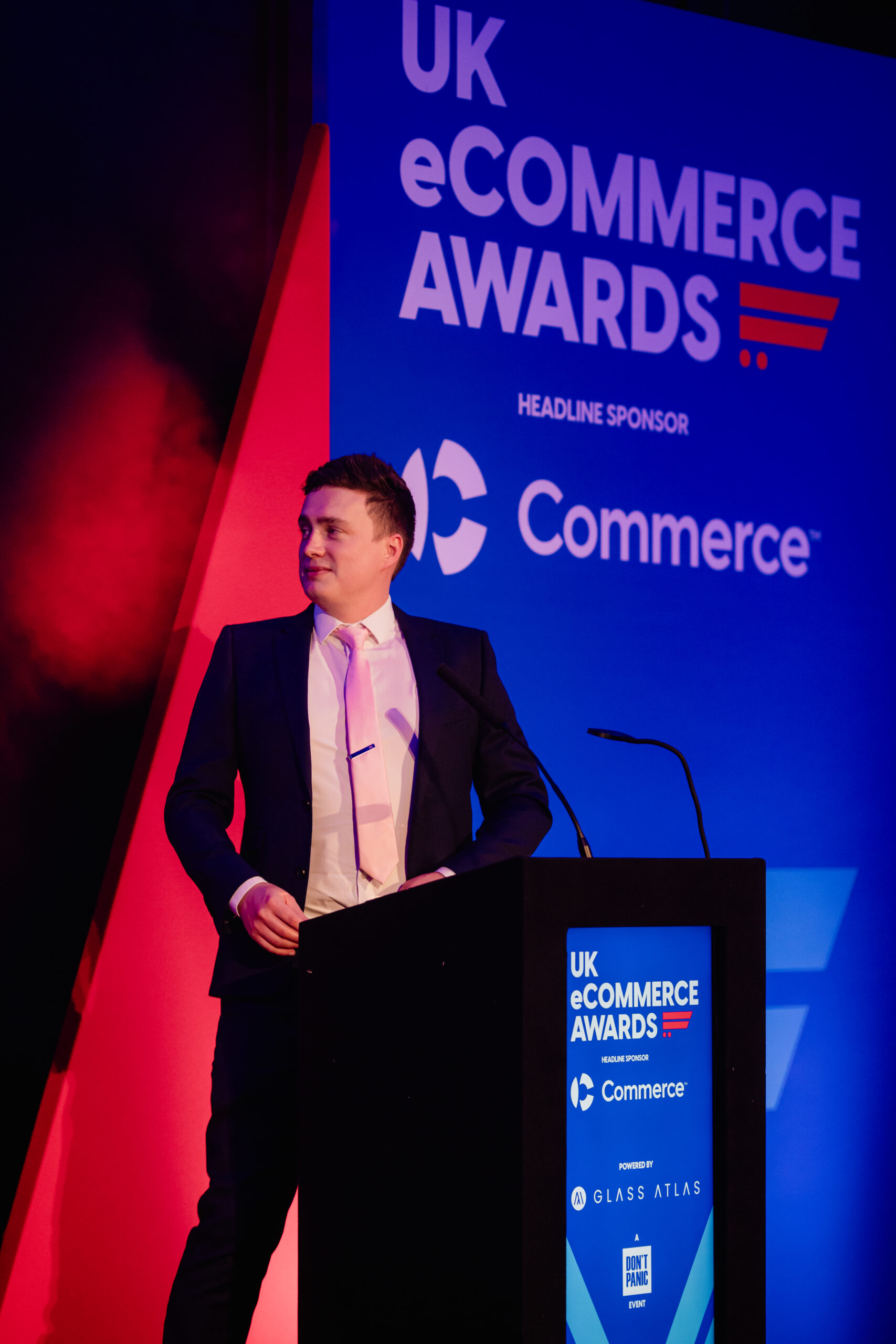
Who you'd be working with
I’m Freddie Chatt. I’ve spent 15 years in ecommerce SEO, first in-house at Amara, where I went from Junior Marketer to Head of SEO, and since 2020 as a consultant.
I judge the UK Ecommerce Awards and write Search to Sale, a weekly newsletter on ecommerce SEO and AI search. I also co-founded Village Cricket Co., a DTC brand where I test ideas on my own money before I recommend them to clients.
I work Monday to Thursday and keep my client list small, so you deal with me from the first call onwards.
“Freddie really knows SEO. His strategies stand the test of time.”
Adam Watson, founder of Hollywood Mirrors
More from my work
Other case studies, and how I work with fashion and Shopify brands.
Read more
Read more
Read more
Read more
Read more
Read more
Want the same for your store?
Tell me about your store and where you want it to be in 12 months. If there’s a real opportunity, I’ll show you where it is on the call. If there isn’t, I’ll say so.
Not ready to talk yet? Search to Sale is my weekly newsletter on ecommerce SEO and AI search.